Pop Club Credit Card: Everything You Need to Know
First, What Even Is Pop Club?
If you have not heard of Pop Club before, you are not alone. It is not one of the big legacy names in Indian finance. Pop Club is a fintech-first credit card product that positions itself squarely at younger, digitally native consumers — the kind of people who live on their phones, stream content daily, order food online, and want their financial products to feel as modern as the rest of their digital life.
Pop Club is a rewards-based credit card that leans heavily into entertainment, lifestyle, and everyday urban spending. The pitch is simple: use the card for the things you already spend on — OTT subscriptions, dining, shopping, movies — and get meaningful rewards back without jumping through complicated hoops.
Whether it actually delivers on that promise is what this guide is here to find out.
The Core Idea Behind Pop Club
Most traditional credit cards were designed in an era when the average cardholder’s biggest expenses were groceries, fuel, and department store shopping. The reward categories reflected that reality. Pop Club was designed for a different kind of spender — someone whose monthly expenses look more like Netflix, Zomato, BookMyShow, Amazon, and Uber than a petrol pump and a supermarket.
The card’s entire architecture is built around this insight. Rather than offering generic reward points that accumulate slowly and redeem at underwhelming rates, Pop Club tries to give you back value specifically on the categories where young urban Indians actually spend money.
It also leans into a membership club concept — hence the name. The idea is that being a Pop Club cardholder gives you access to a curated set of ongoing offers, partner deals, and lifestyle benefits that go beyond the standard cashback or points model.
Rewards and Benefits Structure
Pop Club positions its rewards around what it calls Pop Points or equivalent reward currency, which can be redeemed against purchases, statement credit, or partner offers depending on the current version of the product.
Entertainment and OTT
This is where Pop Club puts its best foot forward. The card offers elevated rewards on OTT platform subscriptions — think platforms like Netflix, Amazon Prime, Hotstar, Sony LIV, and Zee5. For a generation that collectively spends hundreds of rupees every month on streaming subscriptions, earning meaningful rewards on these spends is a genuine differentiator. Most mainstream credit cards treat OTT subscriptions as generic online transactions and reward them at the base rate. Pop Club treats them as a priority category.
Dining and Food Delivery
Zomato and Swiggy spending earns at an accelerated rate on Pop Club. Dining out at restaurants — particularly partner restaurants in metro cities — also attracts better rewards. For young professionals who eat out or order in several times a week, this category alone can generate significant reward accumulation over the course of a month.
Shopping
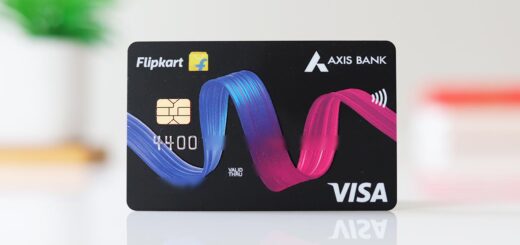
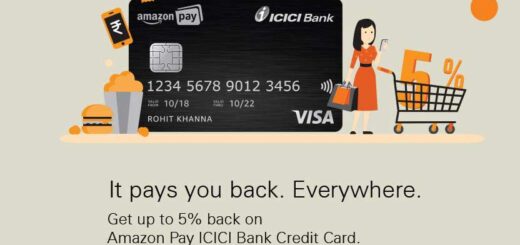
Online shopping across major platforms earns rewards, with certain partner platforms offering better rates. The card is designed to complement rather than compete with co-branded cards like the Flipkart Axis or Amazon Pay ICICI, positioning itself as a lifestyle card rather than a single-platform card.
Movies and Experiences
BookMyShow and similar entertainment platforms earn at elevated rates. Some versions of the Pop Club offering have included complimentary or discounted movie tickets as a monthly benefit — a perk that resonates strongly with the target audience and has genuine monetary value if you watch films regularly.
Everyday Spending
Outside the priority categories, a base reward rate applies to general spending. This is typically modest — as it is with most cards of this type — reinforcing the card’s identity as a specialist lifestyle card rather than a general-purpose rewards card.
The Membership Angle
What makes Pop Club conceptually interesting is its attempt to go beyond the standard points-and-cashback model and build something that feels more like a membership with ongoing value. This is reflected in a few ways.
Partner offers and deals are curated and updated regularly, giving cardholders access to discounts, early access, or exclusive pricing at lifestyle brands, restaurants, fitness platforms, and entertainment venues. The quality and relevance of these offers vary, but when they align with your lifestyle they can represent meaningful additional value on top of the core rewards structure.
The club framing also implies a community element — the sense that you are part of something rather than simply holding a piece of plastic. Whether this resonates with you is partly a matter of personal taste, but it reflects a real trend in how younger consumers relate to financial products. They want their bank card to feel like a brand they are aligned with, not just a utility they tolerate.
Fees and Charges
Pop Club is positioned as an accessible card, which means the fee structure is designed not to be a barrier to entry. The joining and annual fees are in the affordable range, consistent with a card targeting younger consumers who may be getting their first or second credit card.
Like most cards in this segment, there is likely a fee waiver condition tied to annual spending — hit a certain threshold and the next year’s fee is waived. The specific threshold is worth verifying at the time of application, as these terms are updated periodically.
Interest rates on outstanding balances follow standard RBI-regulated credit card norms. If you carry a balance month to month rather than paying in full, the interest charges will quickly outweigh any rewards earned — this is true of every credit card and bears repeating. Pop Club, like all reward cards, is only financially beneficial if you pay your statement in full every month.
Who Is This Card Designed For
Pop Club has a clear target user in mind, and it is worth being honest about whether you fit that profile.
You are the ideal Pop Club cardholder if you are in your mid-twenties to mid-thirties, living in a metro or large city, spending regularly on OTT subscriptions, food delivery, dining out, and online shopping. You probably already have a debit card you use for basics and are looking for a credit card that rewards the kind of spending that reflects your actual life rather than a theoretical spending profile designed in 1995.
You are also a good fit if you value the lifestyle and entertainment angle of the card — if the idea of curated offers, movie benefits, and a card that feels like it was made for your generation appeals to you beyond just the numbers.
You are less well suited to Pop Club if your primary spending is on fuel, groceries at offline stores, travel, or international transactions. The card is not optimised for these categories, and you would likely find better value in a card designed around those priorities.
How It Compares to Alternatives
It is useful to place Pop Club in the context of competing products targeting a similar audience.
The Axis Bank Ace Credit Card offers 2% cashback on everything and 5% on bill payments via Google Pay. It is simpler, broader, and arguably more financially efficient for users whose spending is spread across many categories. Pop Club beats it on entertainment-specific categories but loses on breadth.
The HDFC Millennia Credit Card targets a similar demographic and offers cashback on online spending broadly, with decent rates on Amazon, Flipkart, and dining. It has stronger brand recognition and a more established rewards ecosystem. Pop Club competes on entertainment focus and lifestyle positioning but is a newer, less proven product.
The OneCard is another fintech credit card targeting young urban consumers, with a sleek metal card design, a strong app experience, and a flexible rewards structure. It competes directly with Pop Club on the fintech-cool positioning and is worth comparing if the modern, app-first experience is important to you.
The Flipkart Axis Bank Card and Amazon Pay ICICI Card are better choices if your online shopping is concentrated on a single platform. Pop Club makes more sense if your spending is spread across the lifestyle and entertainment ecosystem rather than dominated by one e-commerce platform.
The App Experience
One area where fintech credit cards like Pop Club typically invest heavily is the mobile app experience, and this matters more than traditional banks often appreciate. The ability to see your rewards balance in real time, track your spending by category, freeze and unfreeze your card instantly, set spending limits, and manage everything without calling a customer care line is something younger consumers now consider a baseline expectation rather than a premium feature.
Pop Club’s digital experience is built around this expectation. The rewards tracking, offer discovery, and account management are designed to live primarily in the app, giving cardholders a clean, intuitive interface that feels more like a consumer tech product than a banking application.
Things to Watch Out For
No honest review ignores the cautions, so here are the things worth paying attention to before and after applying.
Reward expiry is a standard feature of points-based cards that catches many users off guard. Check how long your accumulated Pop Points remain valid and whether they expire if you are inactive for a period. Unclaimed points that expire represent pure value destruction.
Partner offer relevance varies. The curated offers that form part of Pop Club’s value proposition are only valuable if they are relevant to you. A discount at a restaurant chain you never visit or a fitness app you do not use is worth exactly nothing in practice. Evaluate the current offer set honestly against your actual habits before factoring it into your decision.
Category definitions matter. What counts as a dining transaction versus a general retail transaction, what platforms qualify for the elevated OTT rate, and what spending counts toward the fee waiver threshold are all details that live in the fine print. Read them carefully.
Reward redemption friction is worth examining. Some cards make earning rewards easy but redeeming them complicated — limited redemption options, minimum redemption thresholds, or poor conversion rates when cashing out. Check the redemption process before assuming the rewards are as liquid as they appear.
The Honest Verdict
Pop Club is a genuinely interesting card for the right person. It is not trying to be everything to everyone — it is specifically designed for a lifestyle that revolves around entertainment, food, and digital spending, and within that lane it offers a compelling rewards proposition.
The entertainment and OTT focus is a real differentiator in a market where most cards still treat streaming subscriptions as an afterthought. The dining and food delivery rewards are competitive. The lifestyle membership angle adds something that goes beyond pure financial calculation, even if its value is harder to quantify.
Where it asks you to trust it is on execution — the quality and relevance of partner offers over time, the stability and generosity of the rewards program as the product matures, and the reliability of the digital experience under real-world usage conditions. These are things a newer card product has to prove over time rather than demonstrate on day one.
If your life looks like the one Pop Club is designed for — streaming, ordering in, dining out, going to movies, shopping online — give it a serious look. The fee is accessible, the rewards are targeted at your actual spending, and the experience is built for the way you actually use a card.
Just make sure you pay it in full every month. Every single month. Because no rewards programme on earth outpaces credit card interest rates, and that is the one financial truth that no amount of clever card design can change.